Written by: Danielle, mom and nurse advocate
I’m a mom.
I’m a nurse.
I’m an advocate.
And still—somehow—I didn’t realize how much help I was carrying alone.
For a long time, I thought vigilance was just part of the job. You listen for every sound. You wake at every alarm. You check the monitor just one more time to make sure everything is okay. You tell yourself, I’ve got this. Because you have to.
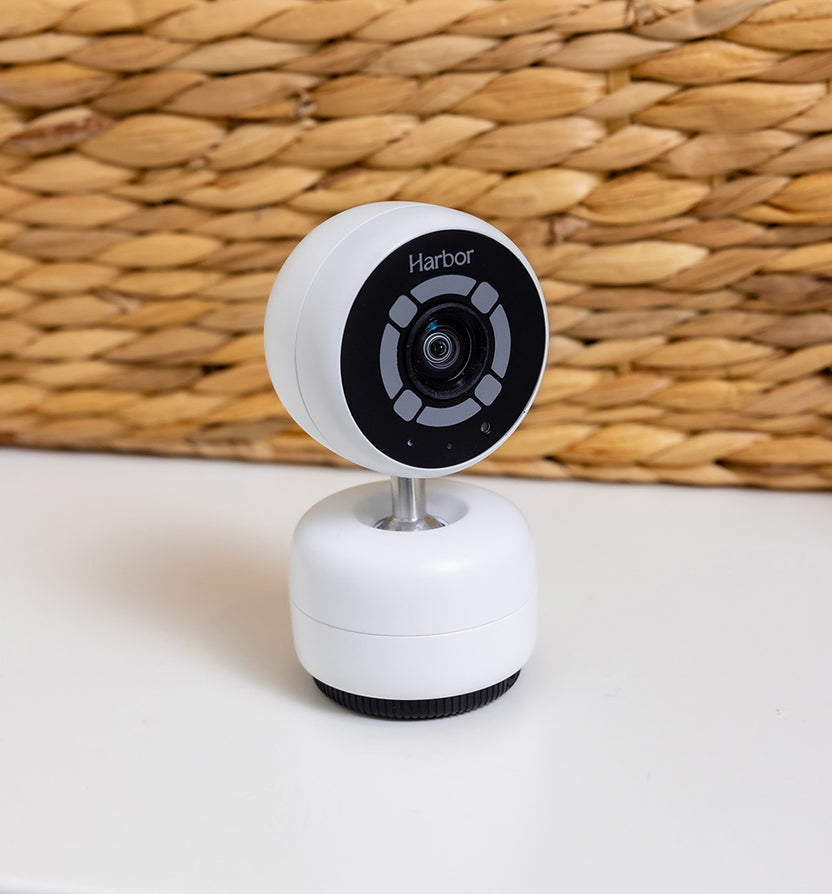
At night, I’d glance at the camera, check levels, reassure myself that everything looked stable. Sometimes an alarm would beep and resolve quickly—and I wouldn’t even move. That level of hyper-awareness becomes normal when you’re a special-needs parent. You’re always on. Even when you’re “sleeping.”
I didn’t think of that as needing help. I thought of it as being a good mom.
What I didn’t realize was how much that constant vigilance was costing me.
The Thing No One Talks About
There’s this unspoken belief that if you admit you need help, you’ve failed somehow. That you should be able to handle it—especially if you’re medically trained. Especially if you’ve been doing this for years.
I even felt weird saying it out loud: I need support at night.
Why does that feel uncomfortable to admit?
We accept in-home nursing when it’s absolutely unavoidable—but that comes with its own weight. Having someone physically in your home overnight is intrusive. It changes your space. It changes your relationships. It changes how you rest.
I remember thinking:
I don’t want a nurse in my house… but I still need support.
Those two things can exist at the same time.
Seeing Things Differently
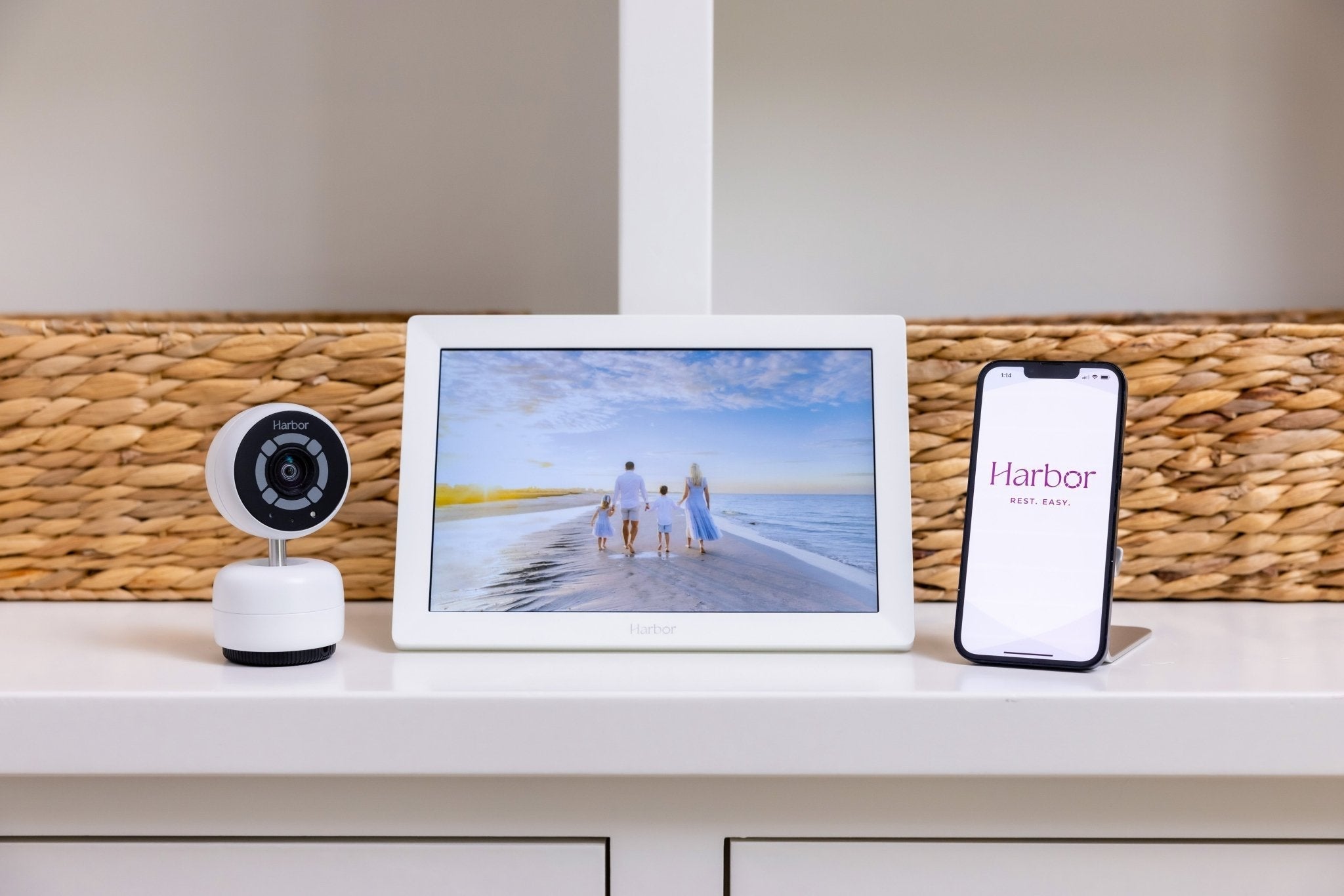
When I first learned about Harbor’s Remote Support, my initial reaction was the same one I hear from other parents all the time: Is that weird? Is that intrusive?
But then I stopped and really thought about it.
Why does it feel stranger to have a trained nurse monitoring remotely than to have someone physically in your home? Why does a camera feel more intrusive than exhaustion, anxiety, and never fully resting?
Once I got past that mental block, everything shifted.
This wasn’t about being watched.
It was about being supported.
Someone else was paying attention so I didn’t have to hold everything by myself.
What It Gave Me
It gave me permission to rest.
Not the kind of rest where you’re half-awake, listening for alarms. Real rest—knowing that if something changed, someone qualified would see it and act.
It gave me space to be a partner, not just a caregiver.
It gave me space to be human.
And honestly? It gave me peace I didn’t realize I was missing.
Why I’m Talking About This Now
After I shared a little bit about trying remote support, my messages filled up. Parents saying things like:
-
“I didn’t even realize this was an option.”
-
“I feel weird needing this kind of help.”
-
“I thought I was the only one.”
You’re not.
There are so many families doing hospital-level care at home—often without consistent nursing support, often without sleep, often without a safety net. And somehow we’ve normalized that as just part of the deal.
It shouldn’t be.
If You’re Reading This
If you’re on the fence—if part of you feels like you should be able to do it all—I see you. I was you.
Needing support doesn’t mean you’re failing.
It means you’re human.
It means you’re protecting yourself so you can keep showing up.
Once you get past the “this feels weird” phase, you realize something important:
This kind of support isn’t intrusive.
It’s relieving.
And you deserve that.
— Danielle