
From the Harbor Remote Support CareTeam — in collaboration with Slumber Squad
First things first: what does “neurodivergent” mean?
“Neurodivergent” describes people whose brains are wired differently from the non-autistic or neurotypical majority. It reflects a natural variation in neurological development, not a flaw or deficit. Autism, which falls under the neurodivergent umbrella, includes lifelong differences in communication, behavior, sensory processing, and how people make sense of the world. Over 1 in 100 people are autistic, and traits vary widely from person to person.
Why sleep can look different in neurodivergent children
Sleep challenges occur in all children at times, but they are significantly more common in autistic children:
- Up to 50–80% of autistic children experience ongoing sleep difficulties, including trouble falling asleep, staying asleep, or waking too early.
- These rates are far higher than those seen in neurotypical peers.
- Sleep difficulties often intersect with sensory sensitivities, anxiety, and differences in biological rhythms.
This does not mean something is wrong with your child or your parenting. It reflects how an autistic nervous system processes the world and transitions between states of alertness and rest.
What’s really going on?
Circadian rhythm and melatonin
Autistic children may produce melatonin at different times or in lower amounts, which can delay sleep onset and shift bedtimes later. Sensory sensitivities can also interfere with exposure to environmental cues that help regulate the sleep-wake cycle.
Sleep architecture
Research suggests autistic individuals may experience more fragmented sleep, with frequent night wakings and difficulty transitioning smoothly between sleep stages.
Sensory processing differences
Heightened sensitivity to light, sound, textures, or internal sensations can make settling into sleep—and staying asleep—more challenging.
Anxiety and co-occurring conditions
Anxiety, ADHD, gastrointestinal discomfort, and other medical or developmental conditions commonly overlap with autism and can further complicate sleep.
How this looks in real life
- “It takes forever to fall asleep” may reflect delayed melatonin release or sensory overload.
- “She wakes up multiple times a night” is common in autism and often tied to differences in sleep structure.
- “He’s awake and ready to go at dawn” can reflect a shifted internal body clock.
If these patterns sound familiar, you are not alone. These experiences are well documented in autism-related sleep research and frequently shared by families.
What actually helps
- Light exposure: Bright outdoor light in the morning and dim lighting in the evening can support circadian regulation.
- Sensory-smart sleep spaces: White noise, blackout curtains, and comfortable, sensory-friendly bedding can reduce nighttime disruptions.
- Consistency over correction: Predictable routines, wake windows, and bedtime cues help the nervous system anticipate rest.
- Melatonin with medical guidance: In some cases, short-acting melatonin can support sleep onset when prescribed and monitored by a pediatric provider.
- Individualized strategies: Effective sleep support respects each child’s unique sensory profile, regulation needs, and developmental stage.
A Parent’s Story: When Sleep Becomes a Safety Concern
“My son is autistic, and nighttime has always been our most dangerous window. He wanders when he wakes up disoriented, and when he’s overwhelmed, he can hurt himself. For years, I slept in short bursts, half-awake, waiting to intervene.”
“Harbor Remote Support changed everything. Knowing a registered nurse was watching overnight—tracking patterns and alerting me if something wasn’t right—meant I could finally sleep without fear. I wasn’t abandoning my child. I was adding another layer of protection.”
“For the first time, I woke up rested enough to actually help him the next day.”
This parent’s experience reflects what many families face when sleep difficulties intersect with wandering, dysregulation, or self-injury risk.
How Harbor Remote Support Fits In
Slumber Squad focuses on understanding neurodivergent sleep and building supportive routines and environments. Harbor Remote Support extends that care into the overnight hours, particularly for families where sleep challenges raise safety concerns.
Our CareTeam provides:
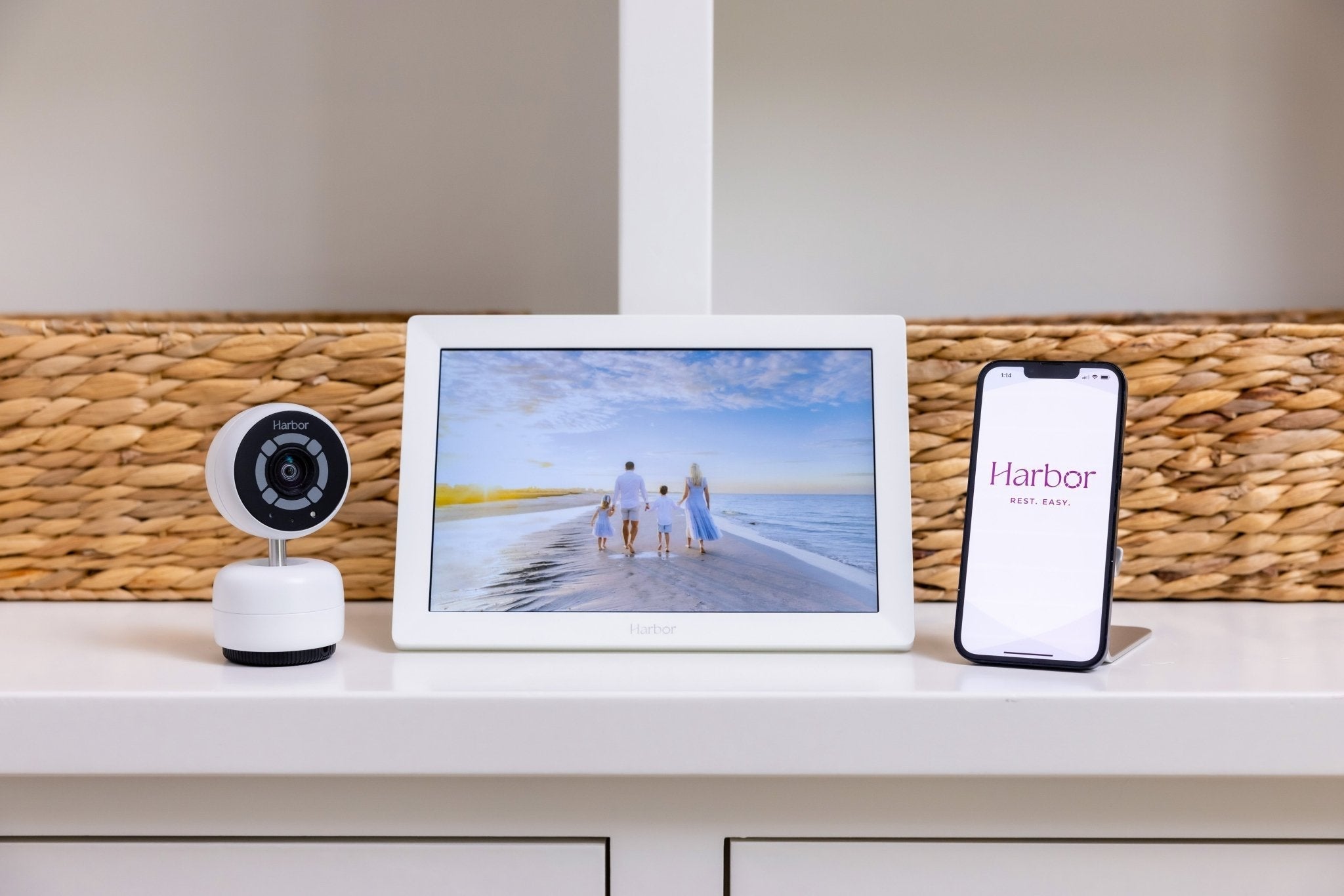
- Overnight monitoring by trained nurses
- Observation of sleep patterns and potential risks
- Timely alerts when intervention may be needed
- Support that allows parents to rest without losing vigilance
We are not here to change who your child is. We are here to help protect them—and you—during the hardest hours of the night.
The Shared Bottom Line
Neurodivergent sleep is different, and it is shaped by biology, sensory processing, and nervous system regulation—not parenting mistakes.
Autism is a lifelong neurological difference that influences how children experience sleep and transitions. Sleep disruption is common and well-documented, but with understanding, consistency, and the right layers of support, nights can become safer and more manageable.
Together, Slumber Squad and Harbor Remote Support stand with families—offering insight, compassion, and practical support so no parent has to face the night alone.
About Slumber Squad
Slumber Squad: Expert sleep consulting for exhausted parents—without the stress of crying it out. Slumber Squad offers personalized sleep solutions for all children, with a specialty in neurodivergent and medically complex children, ensuring every family can find peaceful sleep.
Sam, Infant | Toddler Sleep Consultant | Parenting Coach
Join our instagram community: @slumbersquadsleep