

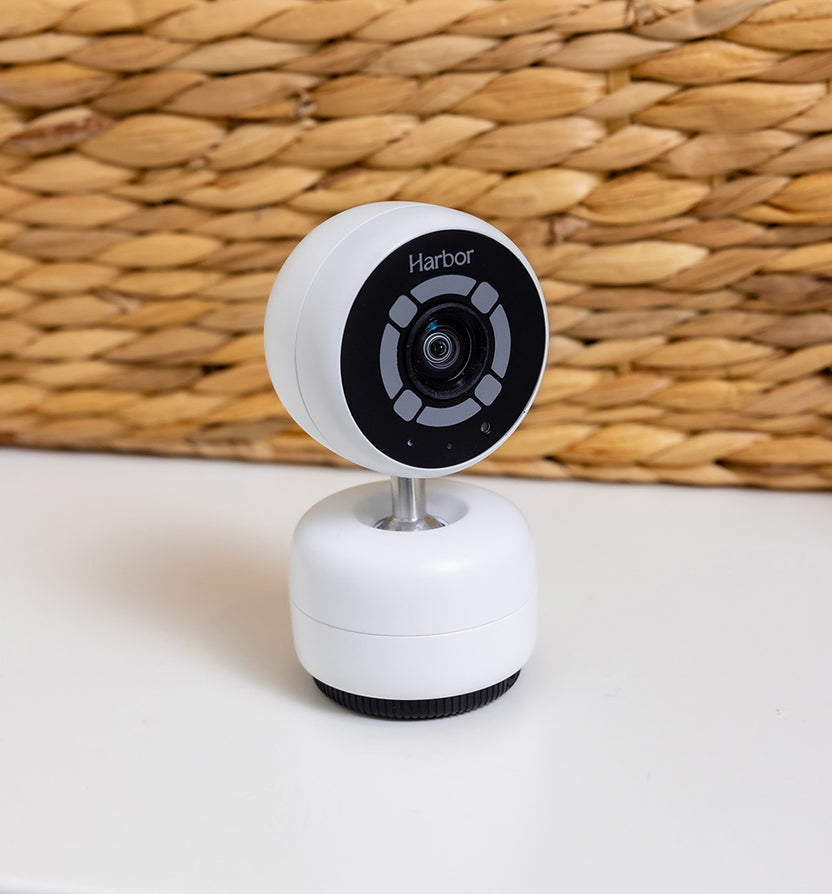

Harbor Remote Support
The Overnight Care Crisis
Why Medicaid overnight support for medically complex children and IDD families is breaking.
The System is Breaking
$1T
Projected federal Medicaid cuts over the next decade3
37.1%
National DSP annual turnover average (TN 37%)1
26.2%
Average referrals turned away due to staffing (TN 47%)1
62%
of adult families say respite care is their #1 unmet need2
What are families with disabled relatives saying?
The 2024-25 NCI Family Surveys — covering 8,613 respondents across the Adult Family Survey, Child Family Survey, and Family Guardian Survey in 10+ states — found that respite care is the #1 additional service families need.1


Maryland & Colorado
- Maryland has cut $126 million from developmental disabilities programs in spring 2026 after costs grew 144% over five years. Effective July 1, 2026: family caregiver wages drop to $23.69 per hour (a 25%+ reduction) and weekly paid hours are capped at 60.
- Colorado is capping family caregiver hours at 56 per week (down from 112) as part of closing a $1.5 billion Medicaid shortfall.
What is remote overnight support, and how does Harbor fit in?
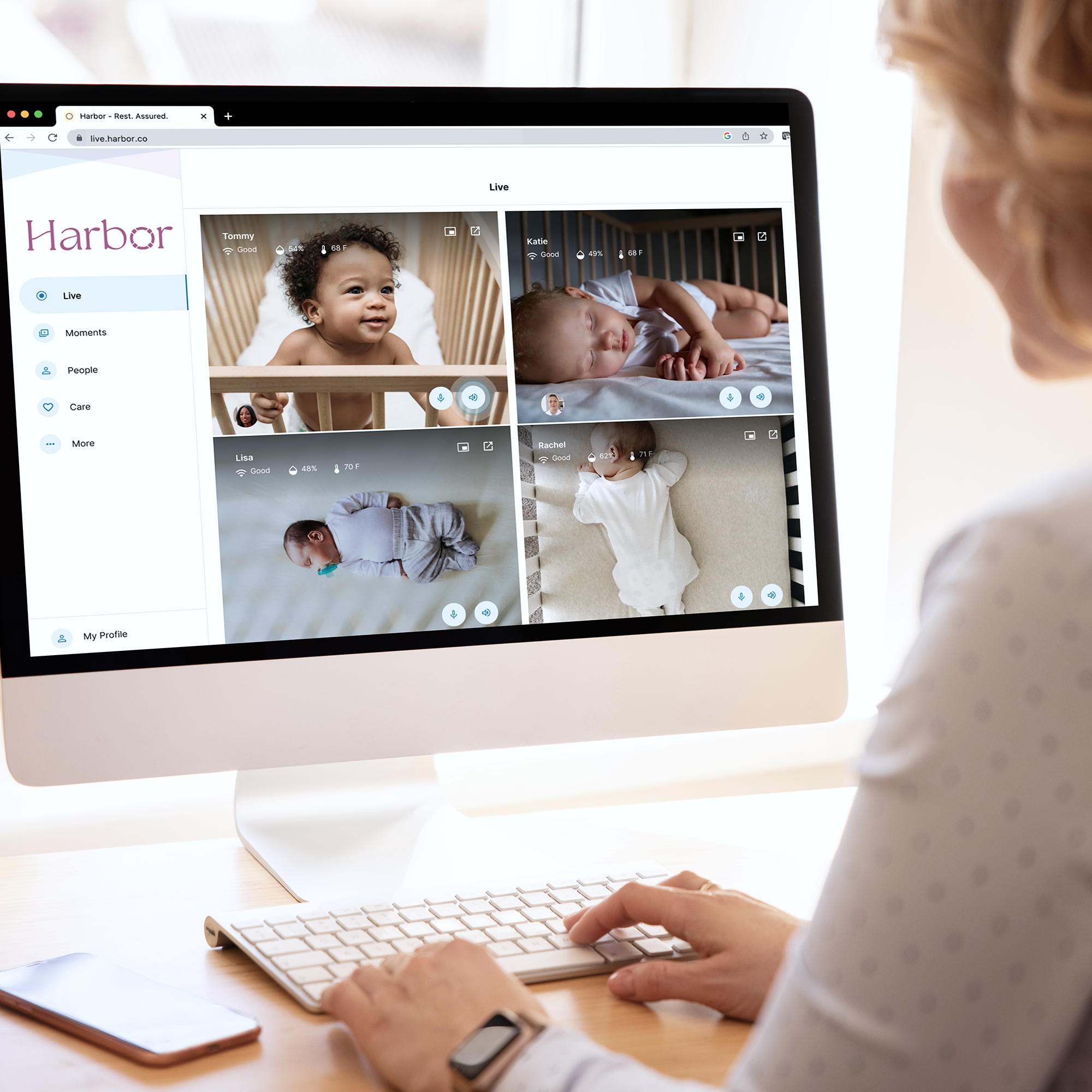
We're making an impact
Remote overnight support is a service model where a remote nurse monitors and supports multiple families overnight via in-home cameras, AI-driven event detection, and real-time alerting.
It substitutes or supplements in-home Direct Support Professional staffing in situations where traditional staffing is expensive, unreliable, or unavailable.
- One remote nurse supports multiple families via proprietary hardware, end-to-end encryption, AI-driven event detection, and explicit parental opt-in on every shift.
- ~$1,500 per family per month materially cheaper than in-home DSP staffing or institutional placement, with a margin structure designed to fit HCBS, ILOS, value- added benefits, and Rural Health Transformation Program (RHTP) reimbursement architectures.
- Works in markets where DSPs cannot be staffed, especially rural and workforce-shortage geographies. Fills the gap Medicaid is already paying for but cannot deliver.
How to Partner with Harbor
Program Ready
Harbor is launching initiatives with rural health providers, insurers, or other private entities.
Flexible Funding
Harbor can be paid for through various mechanisms, from private pay, Rural Health Transformation Funding, HCBS waivers, and self-directed budgets.
Outcome Data
Harbor provides data on alerts, caregiver respite hours, and reduced incidents – perfect for CMS reporting.
Statewide Scale
Once proven, Harbor can be rolled out to rural populations at scale, reducing spend while expanding access.
FAQS
What is the DSP turnover rate in the United States?
Direct Support Professional (DSP) turnover averaged 37.1% nationally in 2024, according to the NCI 2024 State of the Workforce for IDD report. In Tennessee the average was 37.7%, with some agencies reporting turnover ratios exceeding 100% — more DSPs separated from the agency than were on payroll at year-end.
How many Medicaid HCBS provider agencies are turning away referrals due to staffing?
26.6% of provider agencies reported they turned away or stopped accepting new service referrals in 2024 due to DSP staffing shortages. In Tennessee that figure was 47.8% — nearly double the national rate.
What is the #1 unmet need for families with disabled relatives?
Respite care. Across the 2024-25 NCI Family Surveys covering 8,613 respondents, respite was the most-cited additional service families need: 62% of adult families and 61% of child families with unmet need named respite as the top gap.
How much is Medicaid expected to be cut under the 2025 federal spending package?
The 2025 federal spending package is projected to cut Medicaid funding by approximately $1 trillion over the next decade.
What is a Direct Support Professional (DSP)?
A DSP is the frontline paid worker who provides hands-on support to people with intellectual and developmental disabilities — including personal care, supervision, medication reminders, mobility assistance, behavioral support, and overnight monitoring. DSPs are the labor backbone of the HCBS system.
Is paying family members as Medicaid caregivers being cut?
Yes, in several states. Maryland cut $126 million from DD programs in spring 2026 — family caregiver wages drop to $23.69/hour, and weekly paid hours are capped at 60, effective July 1, 2026. Colorado is capping family caregiver hours at 56/week (down from 112). Federal scrutiny of paid family caregiving has also intensified in 2026.
How much does in-home overnight care cost compared to remote overnight support?
Traditional in-home overnight Direct Support Professional or private duty staffing typically costs several thousand dollars per month per family when delivered consistently. Harbor's remote overnight support is approximately $1,500 per family per month, with one remote nurse supporting multiple families via proprietary hardware, AI-driven alerts, and explicit parental opt-in on every shift.